
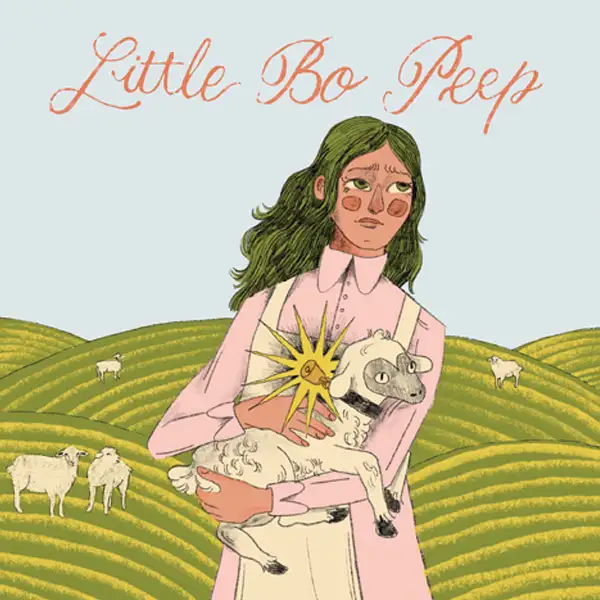
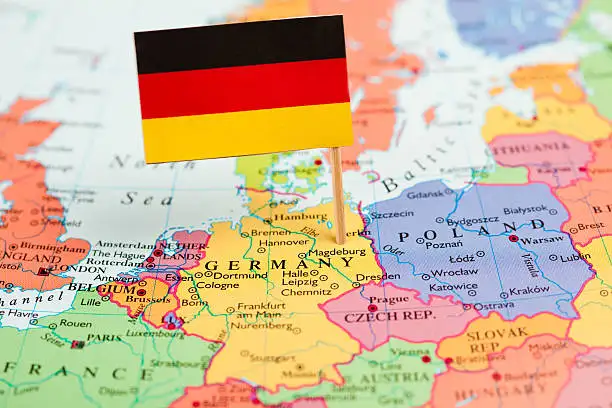
Do you know the nursery rhyme Little Bo Peep? It goes like this: “Little Bo Peep, has lost her sheep, and doesn’t know where to find them. Leave them alone and they will come home, wagging their tails behind them.” Well, it was originally a German folktale written by Joseph Martin Kronheim, and set in the country of Germany. Germany is a wonderful country located right in the middle of Europe, where lots of people live. It’s rich in culture, food, celebrations, and castles – 20,000 castles to be exact! Germans have yummy foods like giant pretzels and sausages called Bratwurst, and they love to celebrate a big beer festival called Oktoberfest. Germany is also home to beautiful forests where fairy tales come to life. It’s a place full of fun and exciting things to see and do!
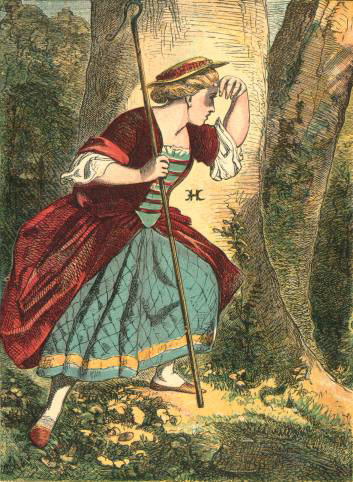
Little Bo Peep was a young German girl who was known as a shepherd. A shepherd is someone who looks after their sheep! They walk them to a field in the morning, and help them find plenty of food and water, and then lead them home in the evening.
The job of shepherding is one of the oldest jobs in all of history! Shepherds carry around a long walking stick with a hook at the end (like a life size candy cane)! This is called a “shepherd’s crook”. The shepherd’s crook is not only used as a walking stick but also as a way to gently guide sheep by hooking the curved part around a sheep’s neck. Can you find anything around your house that looks like a shepherd’s crook? What about a big rolled up umbrella?!
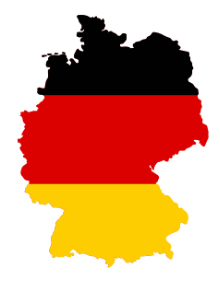
Germany is officially known as The Federal Republic of Germany. The capital of Germany is Berlin. Some other major cities in Germany include: Munich, Cologne, and Hamburg.
Germany is a nation of values, unique celebrations, and traditions. Germans are known to be hardworking and punctual – that means on time. Germany’s flag is black, red and gold. For Germans, these colors represent unity and freedom.
Germany has also been described as “The Land of Poets and Thinkers” and we can also thank the Germans for a lot of the famous classical music we listen to today. One composer, (a composer is a person who writes music) became famous at the young age of 5 when he wrote his first piece of music. Do you recognize this? Minuet in G major KV 1 by W.A. Mozart (his first composition, from when he was just 5 years old!) His name was Wolfgang Amadeus Mozart! Mozart is considered to be one of the most talented and productive composers of all time. In his short life of only 35 years, he did so much to shape classical music! He wrote many operas, concertos, sonatas, and symphonies.
Mozart’s music influenced another German composer named Beethoven. Do you recognize this tune?! “Dun dun dun DUNNNN” (Beethoven 5th Symphony).
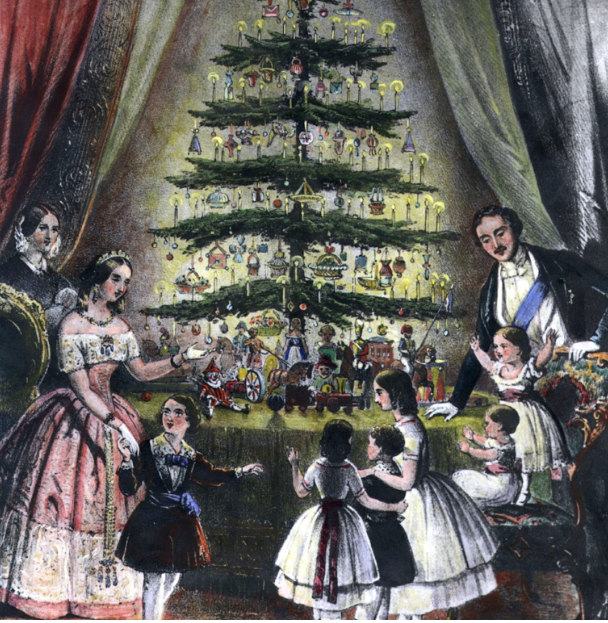
One tradition we have Germany to thank for is the Christmas Tree! About 500 years ago, a German minister named Martin Luther was walking home one winter night and was in awe of how beautiful it was to see the twinkling stars reflectingthrough the evergreen trees. So he decided to decorate one for himself! (Fun fact: Our great American civil rights leader, Martin Luther King, Jr., changed his name from Martin King to Martin Luther King, Jr., after visiting Germany and learning about the great minister).
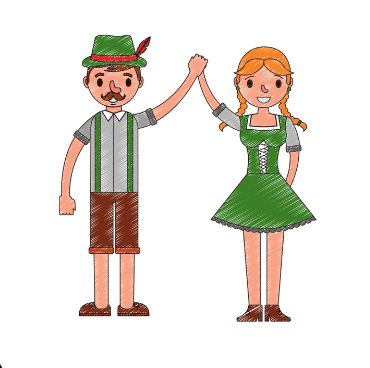
Other traditions from Germany that have been adopted in America include Oktoberfest, an 18 day celebration of Germany’s national drink: “Lager” which means Beer. Every October, Germans gather together and people wear special hats called Tyrolean hats or “Alpine Hats” and unique clothes called lederhosen
(shorts with suspenders for boys) and dirndls (pretty dresses for girls). They have big tents where everyone sits at long tables and enjoys delicious food and drinks, like special fizzy drinks for kids called “root beer,” while grown-ups drink real beer…but that’s just for them!
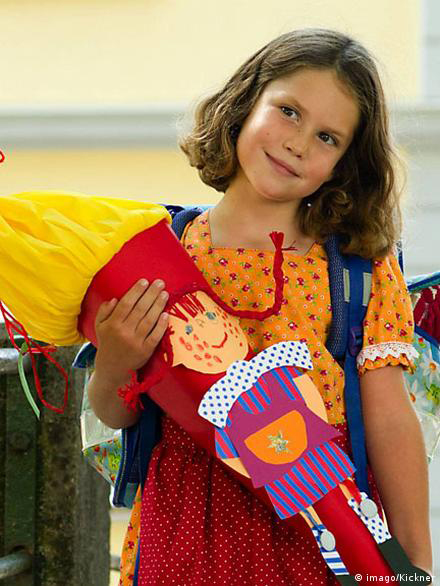
Here’s something just for you, kiddos. One of the COOLEST traditions unique to Germany that we discovered is called a Schultüte or “school cone.” This is given to every student when they start 1st grade! It’s filled with toys, gifts, goodies, and sweet treats! Would you like to receive a Schultüte on your first day of school?!
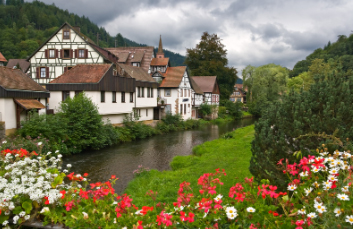
One third of Germany’s territory is covered in forests. In fact, the largest and most well-known forest is called The Black Forest in Southern Germany, which the Danube River runs right through. Germany has 9 different neighbors, which is more than any other other European country! We believe Kronheim based Little Bo Peep in the Southwest wooded area of Germany.
Speaking of the beautiful Danube river, here is a waltz composed by another famous German composer, Johann Strauss II. As you listen to it, try to imagine floating down the river, past other boats, past lovely little towns, and gently rocking in the waves. Johann Strauss II – The Blue Danube Waltz
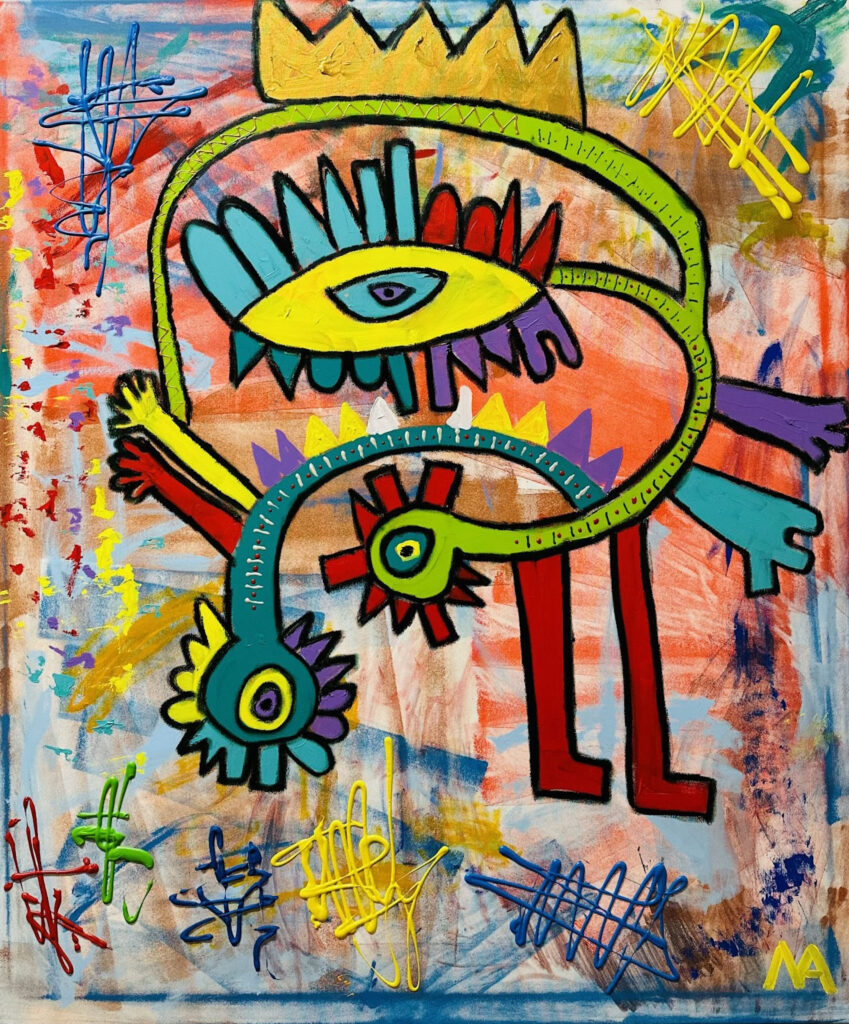
It’s so tough to narrow down ALL art from Germany. So we chose two artists we thought you may find interesting.

Germany is best known for their sausages! There are over 1,500 types!! In Germany, sausage is called bratwurst. Other savory foods include the schnitzel, or giant pretzels which Americans also love. You already know about Germans’ love of beer, or lager, but Germany is also known for their tasty treats and pastries! Schwarzwälder kirschtorte which is Black Forest Cake is a black cherry cake with chocolate and cream! Germans also love streusel which is similar to cobbler! And have you ever had a Bavarian cream donut?! That comes from Germany too!
Remember earlier we shared that Germany has 20,000 castles?! The most famous castle in all of Germany is in Bavaria in the Southeast region of Germany called the
Neuschwanstein Castle, which literally translates to “New Swan Stone” castle. Did you know the Disney castle from Cinderella was inspired by the Neuschwanstein castle?!
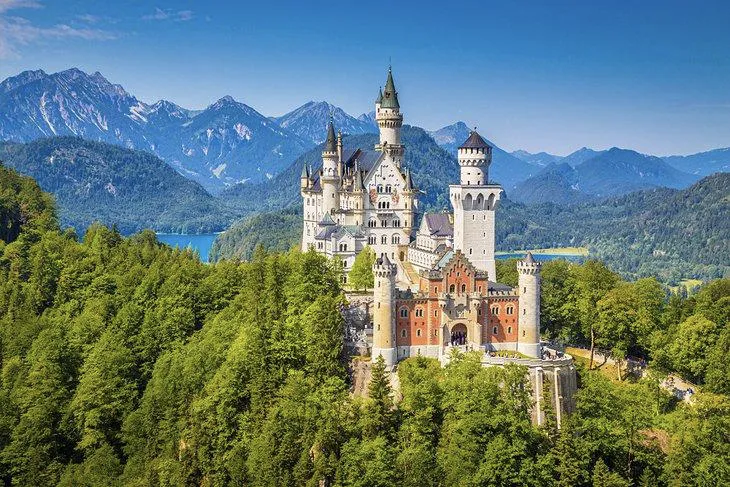
Neuschwanstein Castle

Disney Castle
The language Germans speak is simply called: German – or in the native language “Deutsch” (doy-ch). To say “Germany” in German it’s “Deutschland”. Did you know that the longest word in the world is German??? It’s 80 letters long. Try to say it: “Donaudampfschifffahrtselektrizitätenhauptbetriebswerkbauunterbeamtengesellschaft” Haha! Its meaning in English doesn’t make a whole lot of sense either: the “Association for Subordinate Officials of the Head Office Management of the Danube Steamboat Electrical Services.” HUH?! As a reminder, we learned about the Danube River in the Landscape and Climate section!
Want to learn the German language?
To say hello in German it’s “hallo” /hah-low/
goodbye is “au wiedersehen” /auf-eedah-zen/
thank you is “danke” /dahn-kuh/
please is “bitte” /bit-uh/
© 2026 Snoriezzz. All Rights Reserved | Privacy Policy | Sitemap