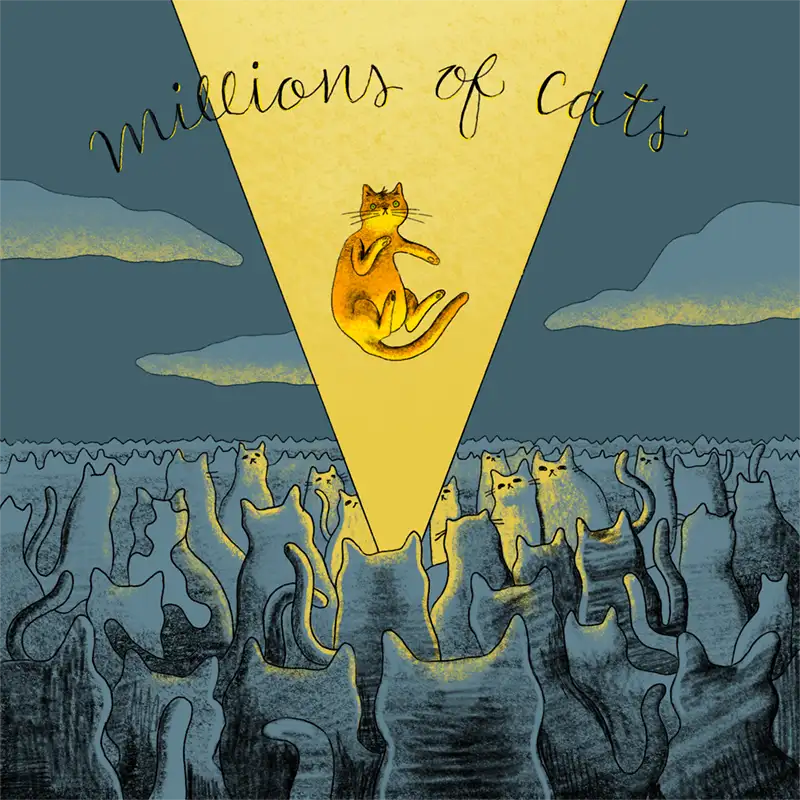
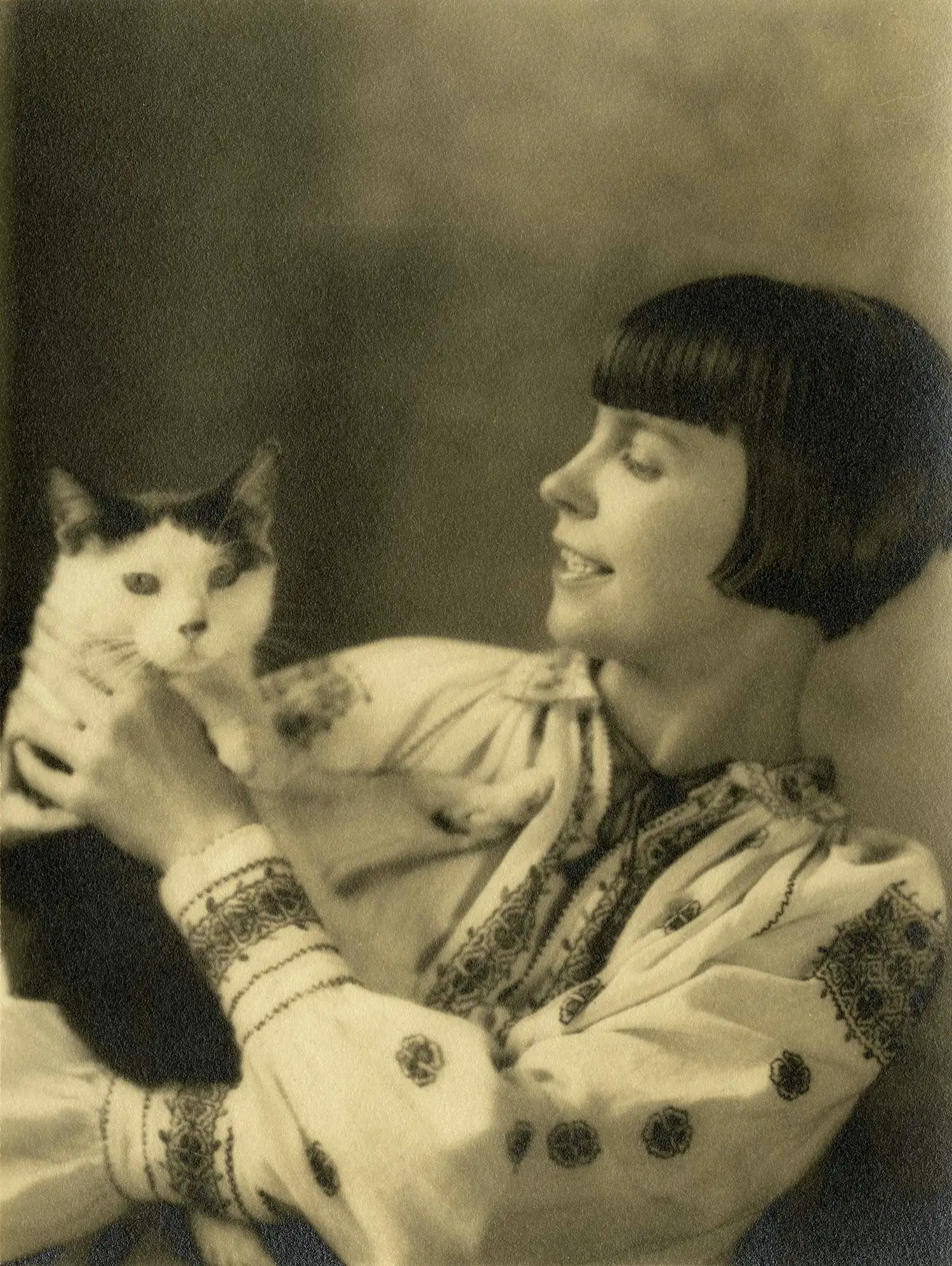
Millions of Cats was written and illustrated by a wonderful woman named Wanda Hazel Gág. She was born to German immigrant parents in New Ulm, Minnesota, in the midwest, and many of the people in her community spoke German!
In this deep dive, we’ll learn a bit more about Wanda Gág, her family, her community and what the midwest was like about a hundred years ago.
Of course we need to talk about cats a little bit too! And let’s discover just why her art was so special! Did you know that her book “Millions of Cats” won a Newbery Honor award? I bet you have some books at home that are Newbery Honor books too, so let’s discover what that means! Millions of Cats is the oldest American picture book still in print – which is pretty amazing! Are you ready? Let’s dive in!
Before we get started, we wanted to talk just a teensy weensy bit about cats! I mean, it WAS a story about millions of cats!
We could fill pages and pages with cat information, but let’s just explore a few questions!
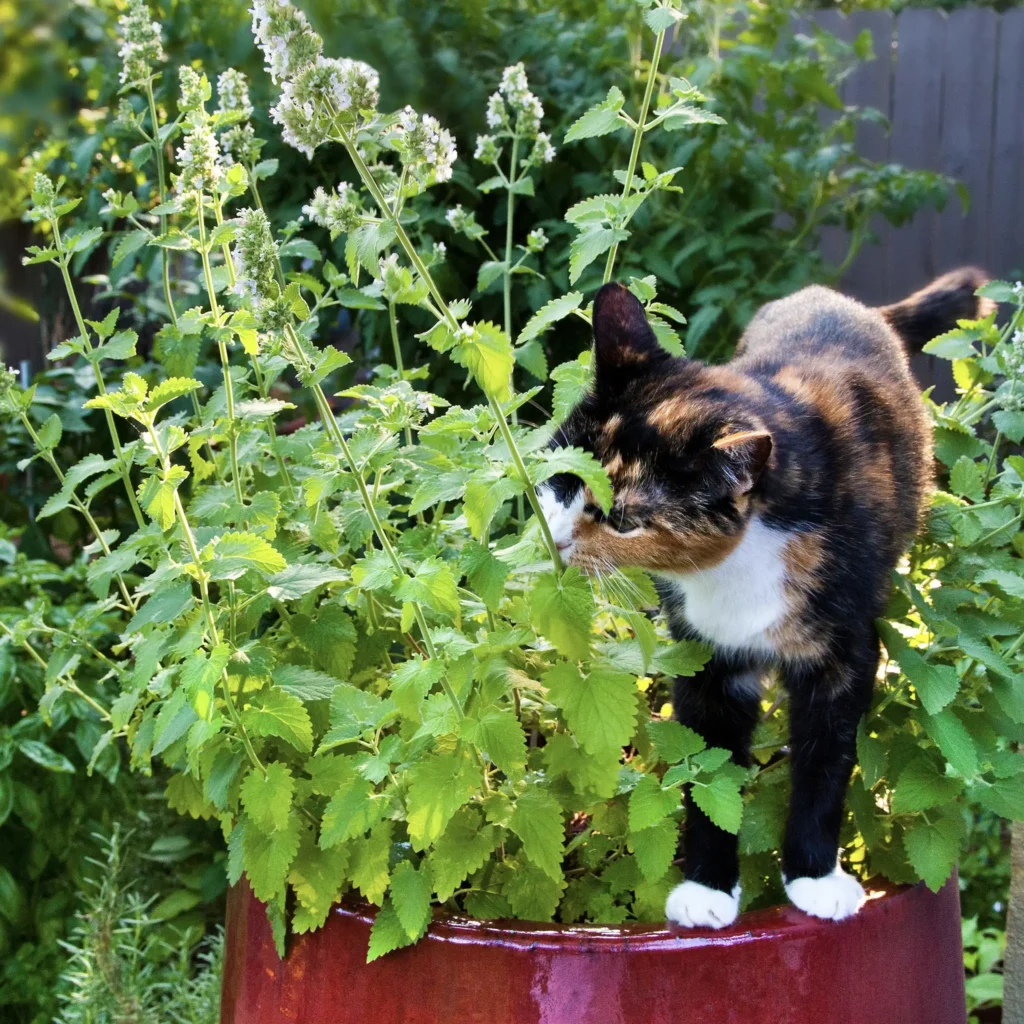
Have you ever wondered just how many different breeds (that means types) of cats there are? What do cats really like to eat? Why are they crazy about catnip? Why do they purr? And how long do they normally sleep? Those two kitties in the picture are Snory godmother Marcia’s cats, Voodoo and Banshee! They are brother and sister!
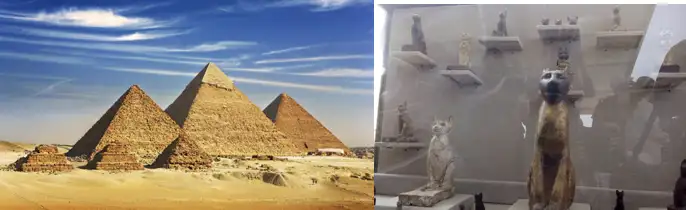
Cats have been around for a LONG LONG time. Almost 10,000 years! Scientists have even found cat mummies in the ancient pyramids!
A mutt cat just means that it’s a combination of different breeds of cat, so it’s an adorable little mixture! Voodoo and Banshee, Snory godmother Marcia’s cats, are mutts! They are rescue cats!
Cat’s are carnivorous – which means they are meat eaters! But… They do like veggies too! They can eat cooked meat, lettuce, pumpkin, eggs, a little bit of cheese, bananas, peas, and even broccoli!
Allright! Now, let’s find out about the midwest!
In the early 1900s, Minnesota was mostly “rural” which means it was mostly the countryside, with a lot of small towns and tons of farmland. Many people in Minnesota came to America from other countries, looking for a better life here. They “migrated” here. So they were called “immigrants” or they were children of immigrants. They came from countries like Germany, Sweden, Norway, Finland, Austria-Hungary, Italy, Finland, Croatia, Ireland, and beyond. That’s a lot of places! When they came to America, they often still talked in their native language – which is why Wanda’s community spoke German! The immigrants were drawn to Minnesota because of the inexpensive farmland and a growing industrial base. Huh? What’s an industrial base?
Another way to say industrial base is industrialism. Industrialism is when people started using machines and factories to make things instead of making everything by hand. A long time ago, if you wanted clothes, someone had to sew them by hand. If you needed furniture, someone had to carve it by hand. But eventually, big machines were invented that could do these jobs much faster.
Factories were built to hold lots of machines, and many people went to work there to make all kinds of things, like toys, cars, and food. This made things cheaper and easier to get because they could make a lot of stuff quickly.
So, industrialism is all about using machines and factories to make life easier and faster for everyone! And Minnesota was certainly a part of industrialism! Here’s a picture of a flour factory from New Ulm, Minnesota.
They were using big machines inside the factory pictured above, which was called a mill! What’s a mill you ask? A mill is a place where people use big machines to turn raw materials into something useful. The mill shown in the picture was a place where wheat, which is a kind of grain, got turned into flour for baking bread—that’s a flour mill! Notice how wheat flour is spelled differently from the other word flower? It’s because they are two different things! “Flour” is the powdery substance used for baking bread, but a “flower” is a bloom on a plant that bees like!!
The machines in a mill do the hard work of crushing, grinding, or cutting things so people don’t have to do it all by hand. There are different kinds of mills, too: Flour mills make flour from grains. Sawmills cut trees into pieces of wood for building. Textile mills make cloth from materials like cotton or wool.
MILLS are like busy workshops where machines do the heavy lifting to make things people need.
Have you ever seen this flour in your family’s pantry? Gold Medal Flour? This flour brand is from Minnesota! And they started making it there in Minneapolis, Minnesota (the capital of Minnesota) 140 years ago! Minnesota grew tons of wheat, and provided flour for people all over America! Pretty amazing that the company is still around today!
Here’s an image of a Gold Medal Flour advertisement from the early 1900’s! The current logo and the old logo still look similar don’t they?
In addition to working at factories, life in New Ulm was often centered around farming, small businesses, and community events like church gatherings. As you can imagine there was a mix of cultures in Minnesota at that time because many families brought their traditions, languages, and skills from Europe.
What’s iron ore? Iron ore is a special kind of rock that has a metal called iron inside it. Iron is really strong and is used to make things like cars, buildings, and bridges. People dig iron ore out of the ground in big mines. Then, they heat it up in super-hot furnaces to take the iron out of the rock. After that, the iron can be used to make all kinds of tools and objects we use every day. So, iron ore is like a treasure hidden in rocks that we turn into useful things!
The iron found in Minnesota mines helped build many buildings, bridges, and railroads across America in the early 1900’s. So whenever you see a railroad, there’s a good chance it was built from the iron ore of Minnesota!
One other thing to note about Minnesota are the harsh winters. Brrrr! Because Minnesota is in the north of the United States, winters there are very cold and snowy, so in the early 1900’s people had to prepare carefully to stay warm and survive! You can tell Wanda knew what winters were like, as seen in her painting Winters Twilight pictured below!
Do you see how the trees are bare, and the snow is so deep? And the lights you see in the windows are probably from gas or kerosene lamps, since they didn’t have electricity. On the outside lamp post, someone actually came along and lit the gas lamp with a long torch! For a refresher about the seasons including winter visit our Deep Dive from The Selfish Giant!
Did you know that Minnesota is called the Land of 10,000 lakes? That’s a LOT of lakes! There are in fact 11,842 lakes in Minnesota.
Minnesota’s nickname is the “Land of 10,000 Lakes”. The state’s many lakes came from glaciers that covered most of Minnesota during the last Ice Age! Have you seen the animated movie Ice Age? We love it!! That was a time when the whole earth was covered in Ice! When the ice melted, millions of lakes were left behind, but many have dried up over time.
Have you ever seen this butter in your refrigerator? Called Land O’ Lakes? This came from Minnesota!
Fun fact: The name “Land O’Lakes” came from a contest held by the Minnesota Cooperative Creameries Association in 1924!
They were butter makers, and they held a contest to find a catchy fun name for their sweet cream butter, and they even offered $500 in gold as the prize! That’s a lot of gold, especially in 1924! The winners were Ida Foss and George Swift! They both came up with the same name, even though they had never met each other! The other names being considered were “Maid O’ the West” and “Tommy Tucker”, they were the “runner’s up” and they got $300.
As you know Wanda Gág and her family lived in New Ulm, a town with a strong German influence. Her family stood out because they were artists in a place where most people farmed, worked in the mines factories, or even ran their own businesses.
Wanda Gág was a talented artist and storyteller who loved to create beautiful things. Her family encouraged her love for art. Her dad was a painter, and her mom was a photographer, so Wanda spent her childhood surrounded by creativity. Her mother loved to share old world folktales with Wanda, which inspired her to write, but also inspired the kinds of drawings she would do! All of her brothers and sisters would hang out in the attic where her father painted, and they would play dress up, and paint, and tell stories.
Wanda became famous for her children’s books, especially Millions of Cats, which is one of the first American picture books. She worked hard to make her illustrations fun, easy to understand, and full of imagination! She wanted them to feel like real art that even a little child could enjoy. Besides books, Wanda also made prints, like woodcuts and lithographs, showing landscapes and everyday scenes in her own unique style.
In 1917, Wanda Gág moved to New York, became a skilled artist, and created the beloved book “Millions of Cats”. This unique story became one of America’s most important children’s books. She also mastered lithography (do you remember that was the art of printmaking, which was also practiced by Joseph Kronheim, the author of “Little Bo Peep”?). Gág was so talented that her art showed up in New York Galleries!
Gág’s “Millions of Cats,” wasn’t an old-fashioned story. Her artwork was modern, and folksy – and the story was about a basic American couple, the old man and women. This wasn’t a story about a princess marrying a prince – which so many children’s stories were at the time, but instead it was a fun and crazy story about all these cats, and an old couple finding love for the scruffiest one! It is what they called “a landmark achievement” – which means it was the first of its kind! “Millions of Cats” is still considered one of the most popular and important American children’s books ever published…because it was the first! Wanda also did something super cool that changed children’s books forever. She introduced pictures and stories being on BOTH sides of the page, so the story feels like it moves right along!
In the early 1900s, Midwest food was simple and hearty, with families enjoying corn, meat and potatoes, fresh bread and butter, casseroles, fruits and jams, and plenty of dairy from local farms.
Midwest Language
If you ever go to the Midwestern United States, you may hear locals say phrases you’ve never heard before. This is part of their local vernacular, or slang. “Vernacular” means the way people talk in their everyday language. It’s like using words and phrases that feel natural to them where they live, instead of speaking in a formal or fancy way. For example, someone in the South, like Snory Godmother Natalie might say “y’all,” while someone else might say “you guys” or “everyone.” You may even hear people in New York, where Snory Godmother Marcia lives, say “youse guys!” Vernacular is how people use words in their own special way! Do you have a special language you share with your family? Let’s take a look at some Midwestern expressions and what they mean.
We have a great “hot dish” recipe for you in our Play and Learn!
Remember, slang words can be super fun to learn, but it’s important to use them in the right context and with the right people. So the next time you visit the Midwest, you can impress your friends with your new slang knowledge!
Let’s look at some amazing works of art created by artists that came from the Midwestern part of the United States. From paintings to sculptures and everything between, the Midwest is home to more important works of art than you might have expected.
“American Gothic” by Grant Wood:
“American Gothic” is one of the most famous paintings in the world, and it was made by an artist named Grant Wood from Iowa. The painting uses a man and woman as the subjects, the man has a serious face and holds a pitchfork, while the woman also has a stern look. People love this painting because it shows what life was like in the Midwest a long time ago.
“The Chicago Bean” by Anish Kapoor:
“The Chicago Bean” is not really made of beans; it’s made of shiny metal. It’s real name is “Cloud Gate”, and the clouds are reflected off of its shiny top, as you can see in the picture above. Maybe that’s why it’s called “Cloud Gate”, it’s a gate under the clouds! But people have nicknamed it the bean, because that IS what it looks like! It’s a giant, shiny bean-shaped sculpture in the middle of downtown Chicago – so shiny you can see your reflection in it! This sculpture was made by a British artist named Anish Kapoor, and it’s a famous landmark in Chicago, Illinois. People love to take pictures with it and see the city reflected in its shiny surface.
“The American West” series by Thomas Hart Benton:
The American West” series paintings were made by an artist named Thomas Hart Benton from Missouri. He loved to paint scenes of life in the Midwest and the people who lived there. His paintings are full of energy and excitement, and they show what life was like in the Midwest a long time ago. The painting above is considered a masterwork!
“Minneapolis Sculpture Garden”:
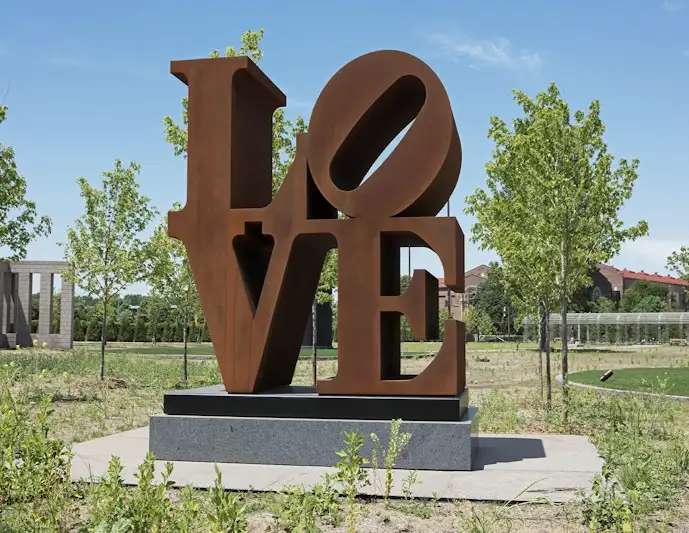
The Minneapolis Sculpture Garden is a famous outdoor museum in Minnesota where you can see all kinds of cool art made by artists from the Midwest and around the world. Take a look at the big park above, it is filled with all kinds of sculptures. There’s a giant blue rooster, a sculpture that says “LOVE” and even a big sculpture of a cherry on a spoon! It’s a fun place to explore and see art in the great outdoors.
These are just a few examples of the amazing art created by people from the Midwest USA. Their artwork tells stories, captures moments in history, and inspires people of all ages to use their imagination and creativity!
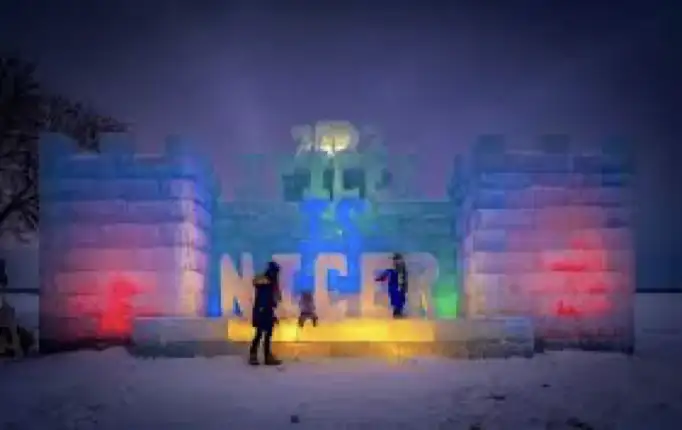
Every winter, the town of Spicer, Minnesota holds their annual Spicer WinterFest, a festival and celebration with plenty of FUN activities to participate in, from cross-country skiing to snowshoeing to pond racing and ice carving. There’s fun for the whole family and a fireworks show at night to top it off! We LOVE fireworks! How about you?
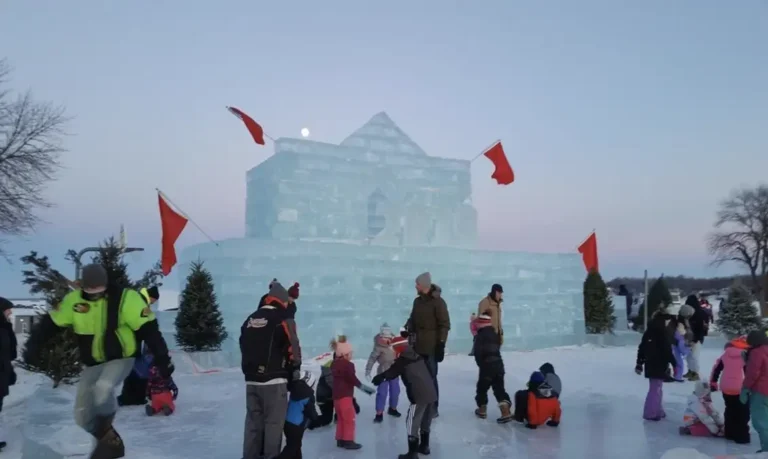
One of the biggest attractions to WinterFest is the big ice castle constructed every year. The event hires people to pull ice from Green Lake, the nearby lake, and then they build these magnificent, beautiful ice castles for Spicer WinterFest. Can you imagine millions of cats roaming about this castle?
Now if many of those cats couldn’t fit in the other ice castle, they surely could all fit in the Eden Prairie Ice Castles. Located just southwest of Minneapolis, MN and two hours east of Spicer, MN, the city of Eden Prairie is home to 64,000 people and some beautiful ice castle structures.
These ice sculptures are made every year by a company named Ice Castles. They create ice formations and caverns that look like they are straight out of a fairy tale. Ice Castles are located in six states across the United States, like New Hampshire, New York, Wisconsin and Minnesota. Maybe YOU can make an ice castle with snow this winter!
© 2026 Snoriezzz. All Rights Reserved | Privacy Policy | Sitemap